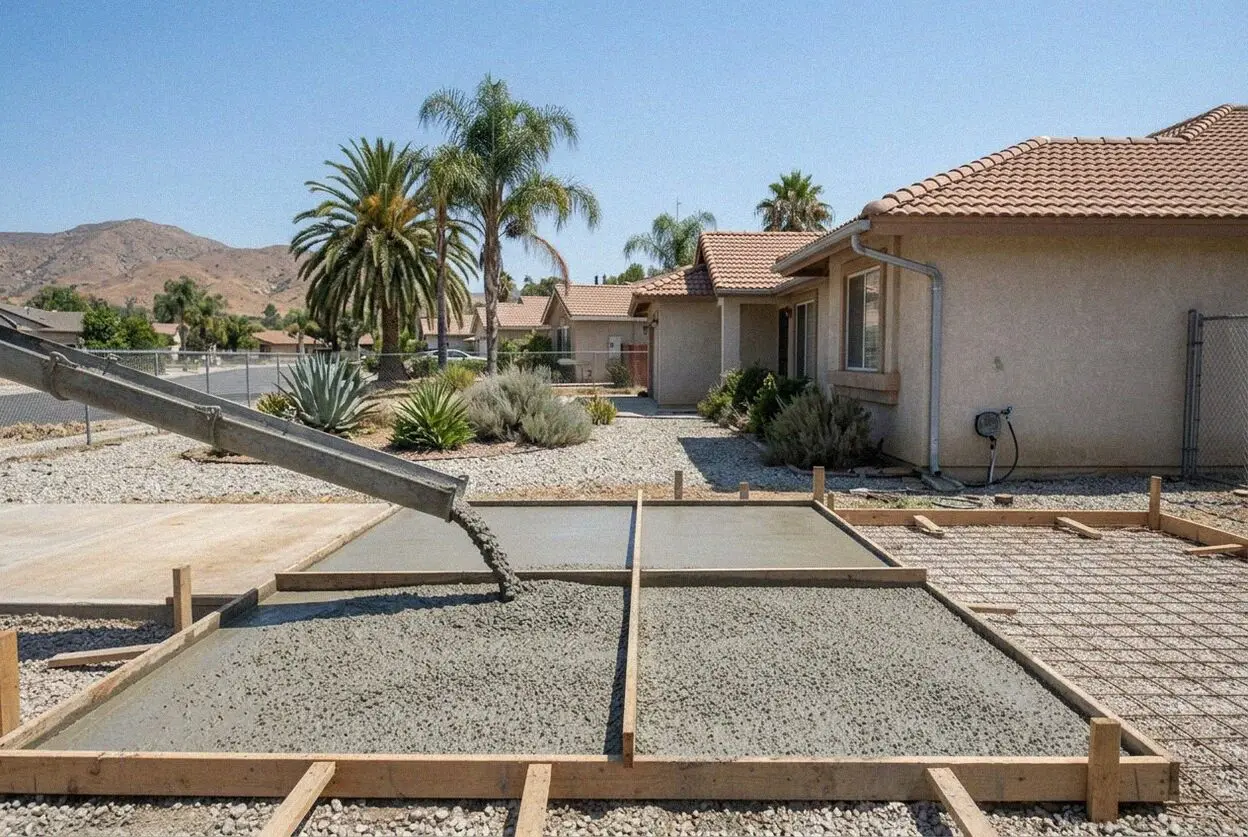
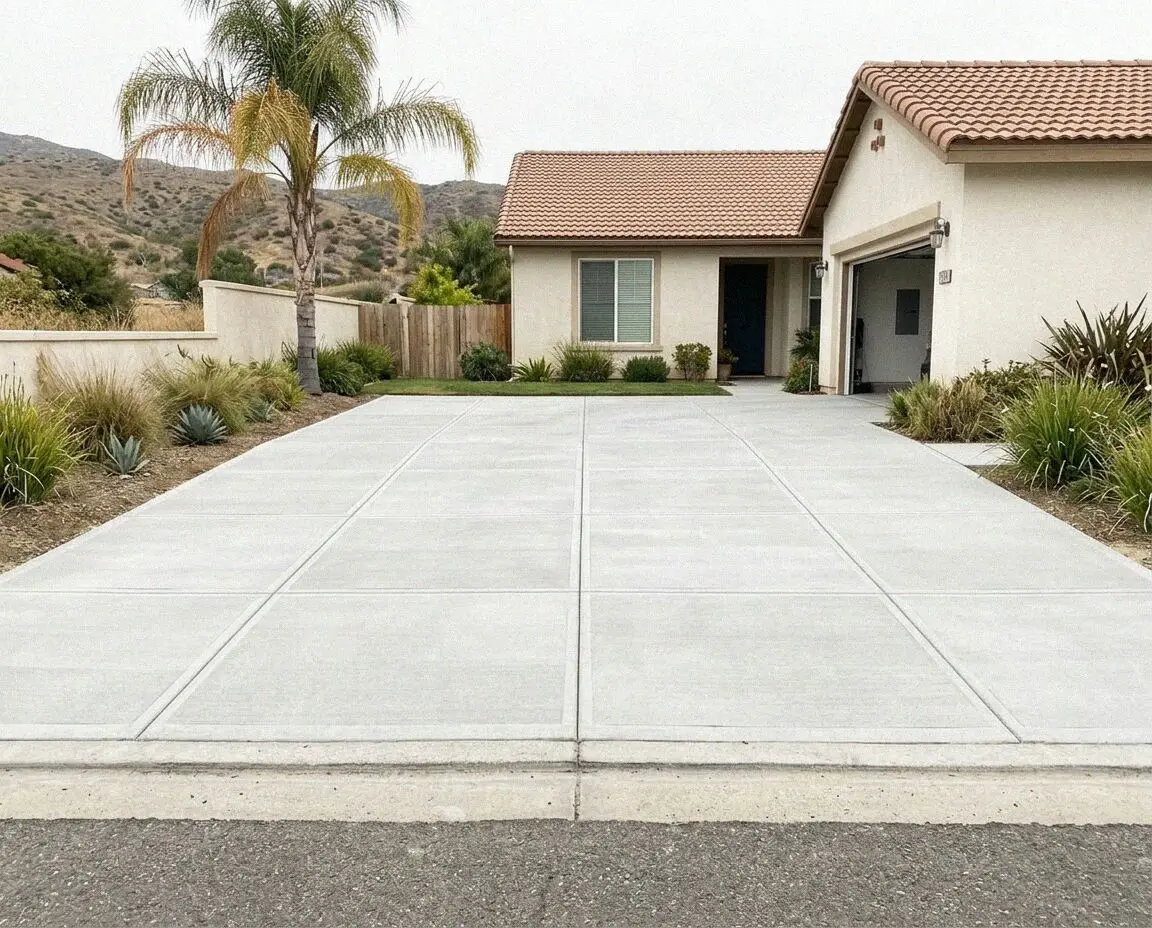
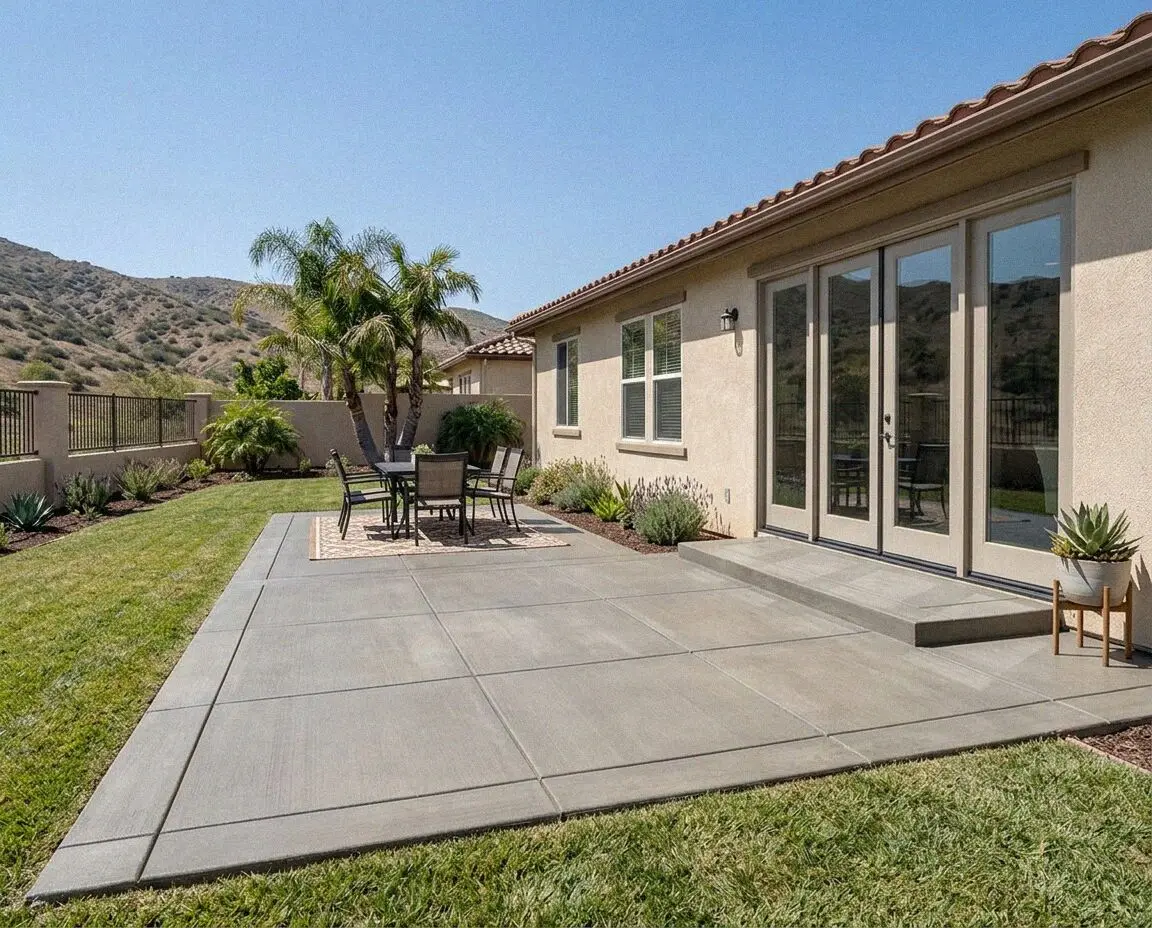
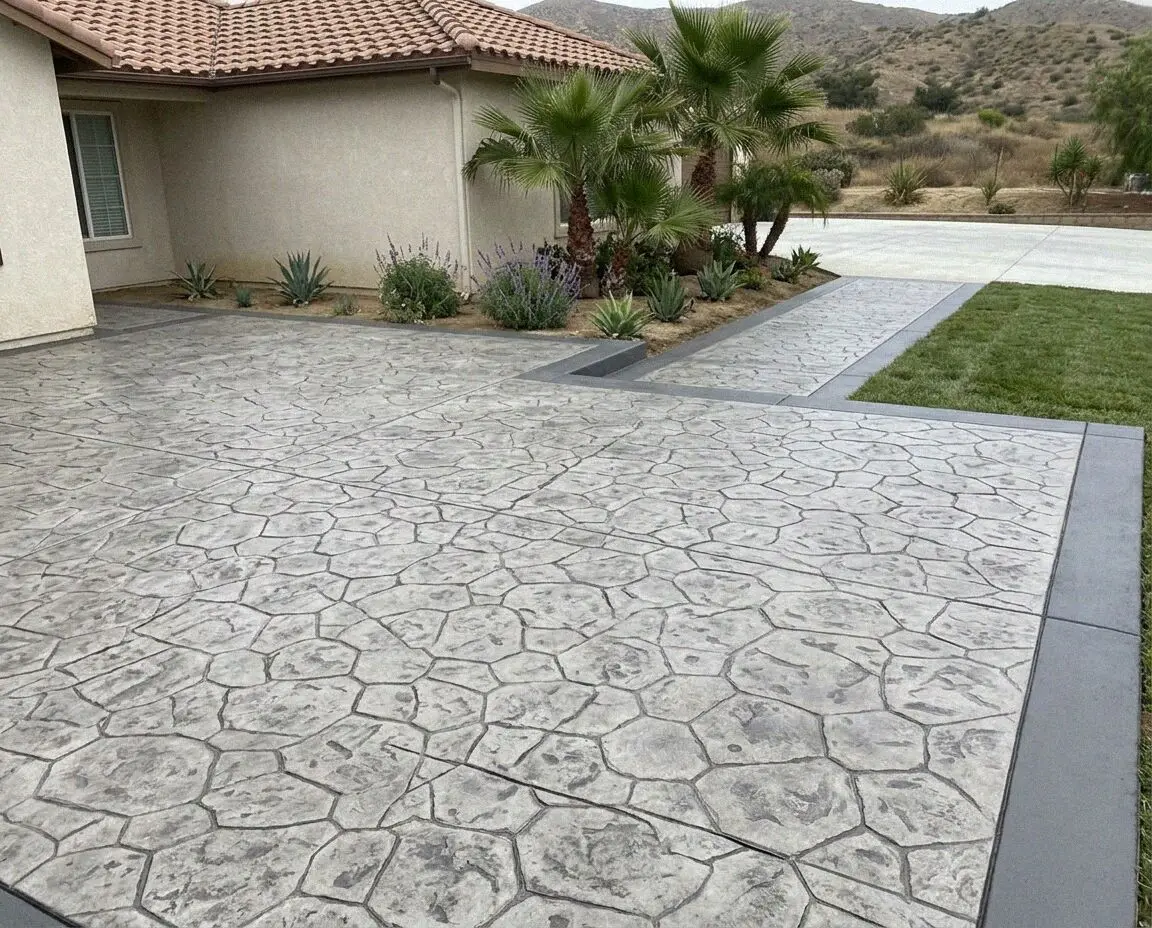
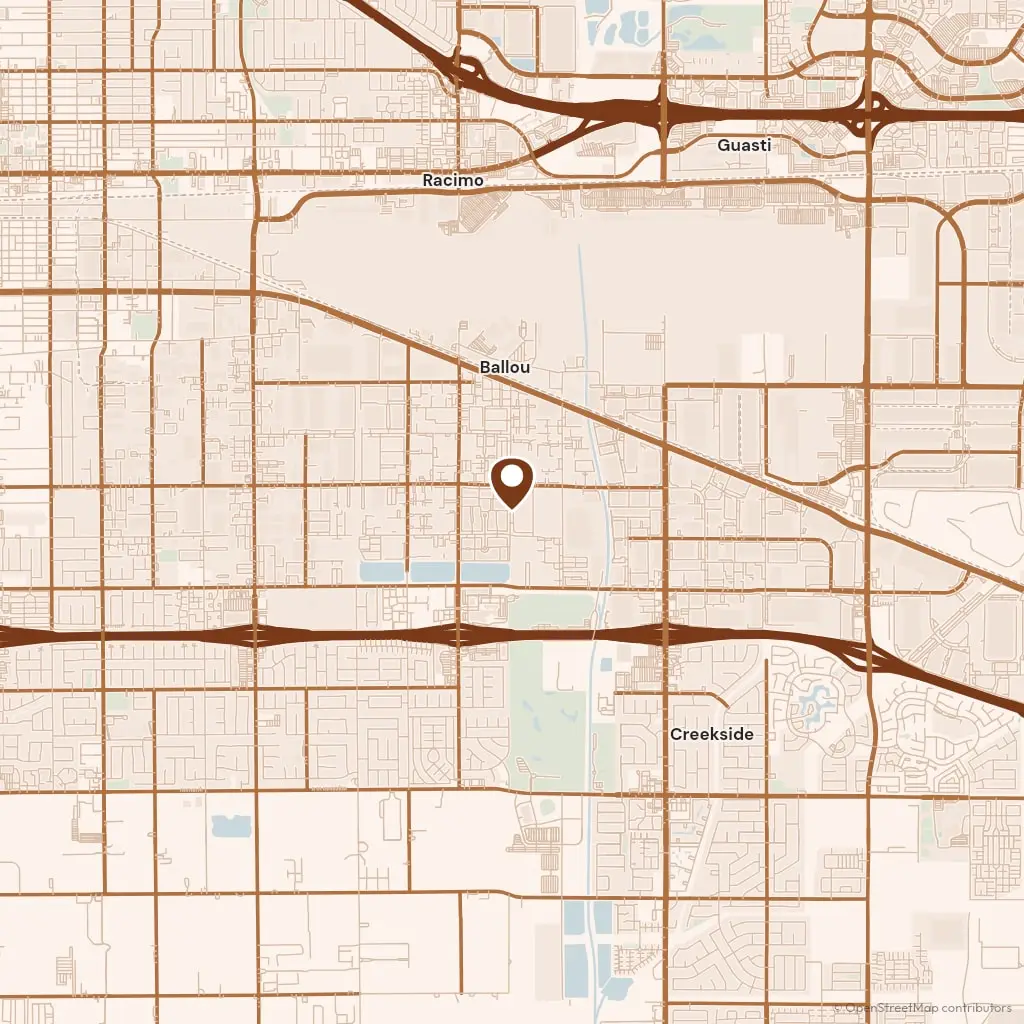
Our yard is on Holt Boulevard in Ontario, and Norco is a straight run down the 15 to the Second Street or Sixth Street exits, about 12 miles and 20 minutes without traffic. Permits go to the City of Norco Building Division, and the city's rural residential zoning is the first thing we check, because setbacks and animal-keeping areas decide where a slab can go on a lot as much as where you want it.
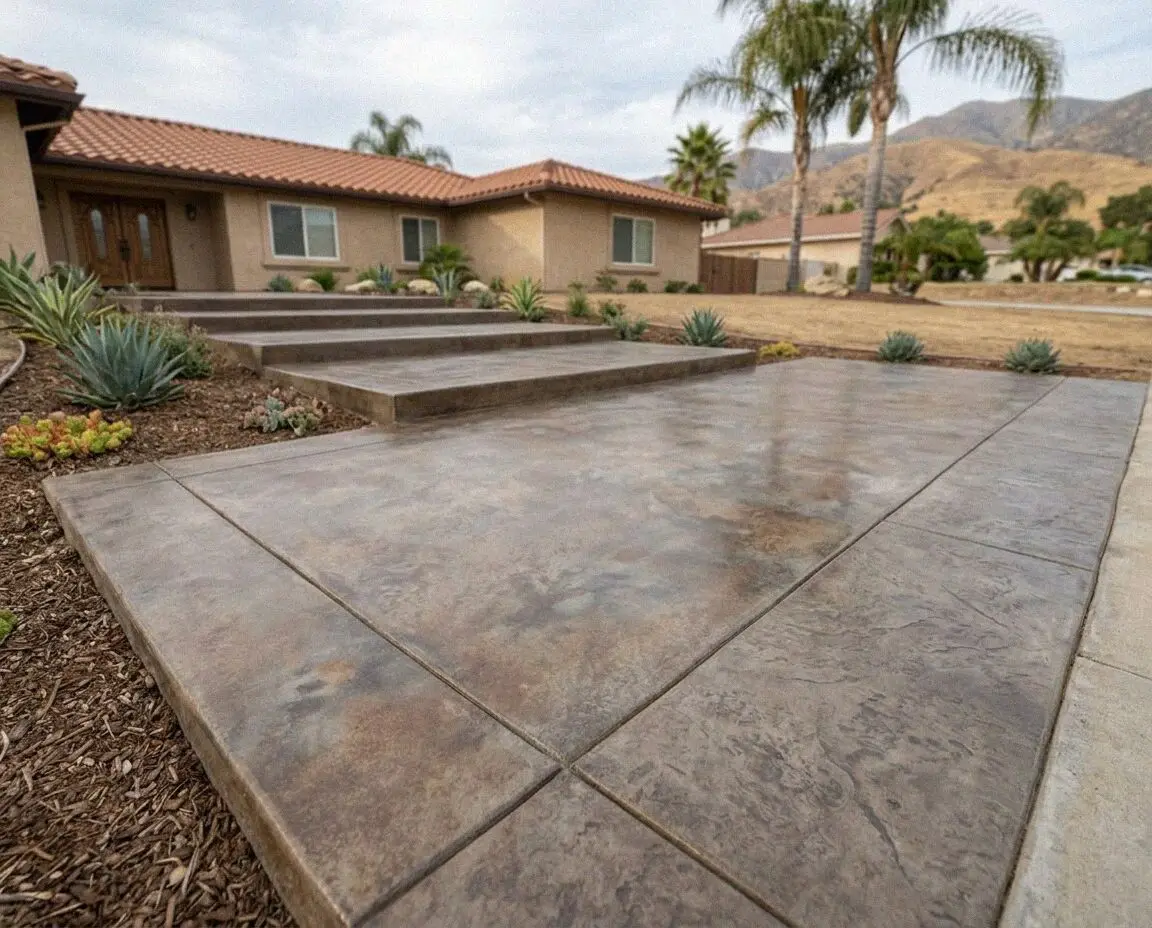
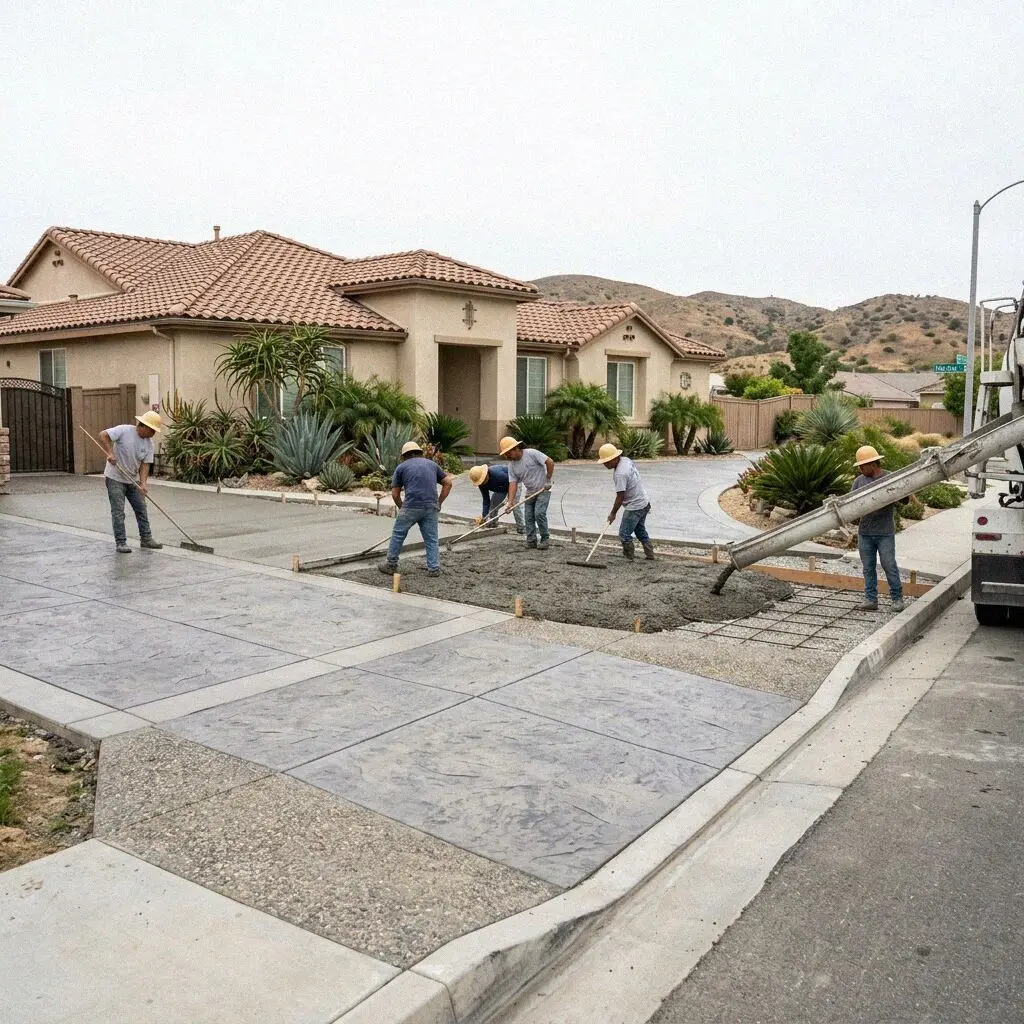
The flat blocks between Hamner Avenue and the Santa Ana River were dairy and farm ground before they were houses, and most of the homes on them are 1960s and 1970s ranch houses on big lots with a barn or a corral at the back. A mixer can drive onto almost any of them, which is rare in this valley and saves a day of barrowing. Up in the Norco Hills the newer houses sit on cut and fill pads, and the drive is often the only flat ground on the lot.
Runoff is the thing to plan for. The river wraps the north and west of the city and takes the drainage, so lots on the flats fall gently toward it, but a wash rack or a barn floor makes its own water every day, so we grade those to a drain rather than to the yard. The calendar is the Inland Empire's. Summer afternoons pass 100 degrees, so from June to September we pour at first light and keep the surface wet, and in the wet months a pour waits for the sandy ground to drain.