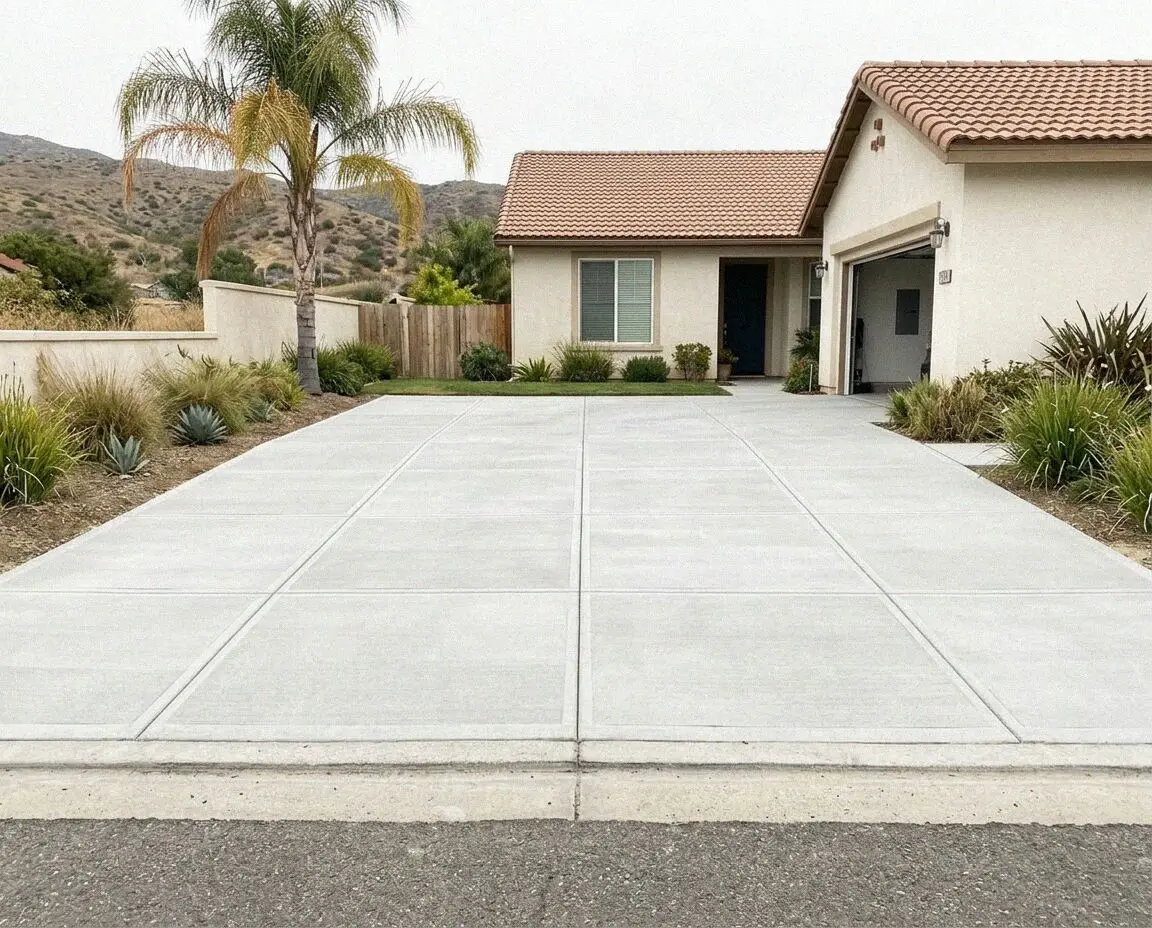
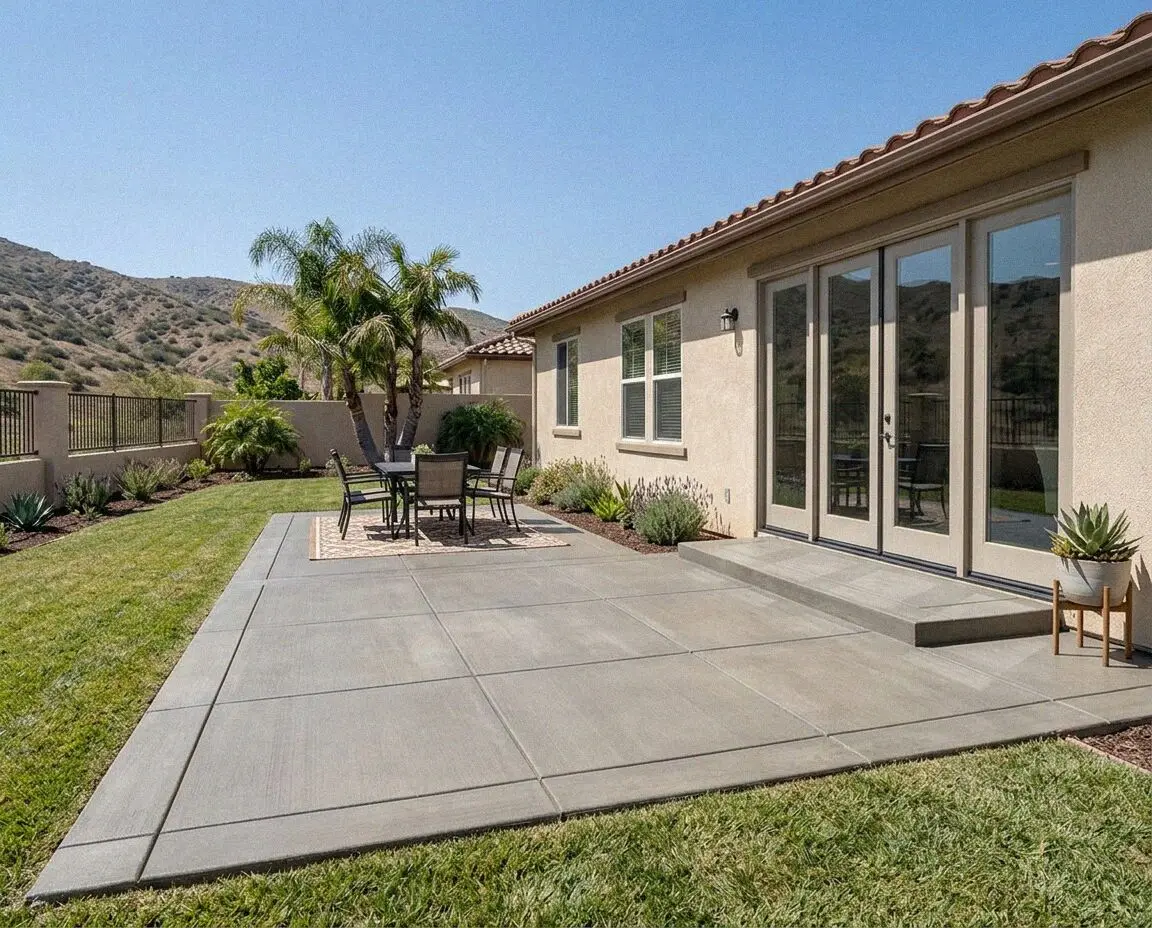
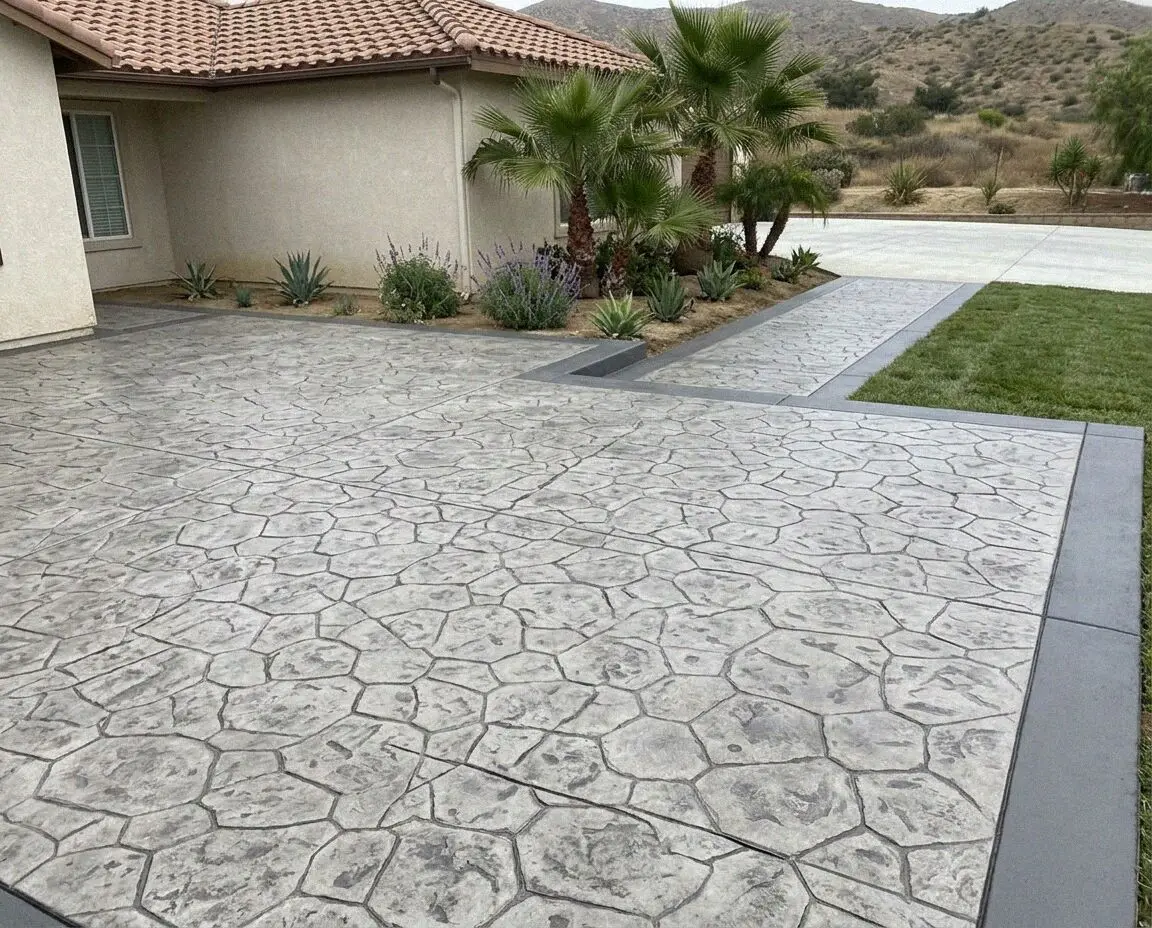
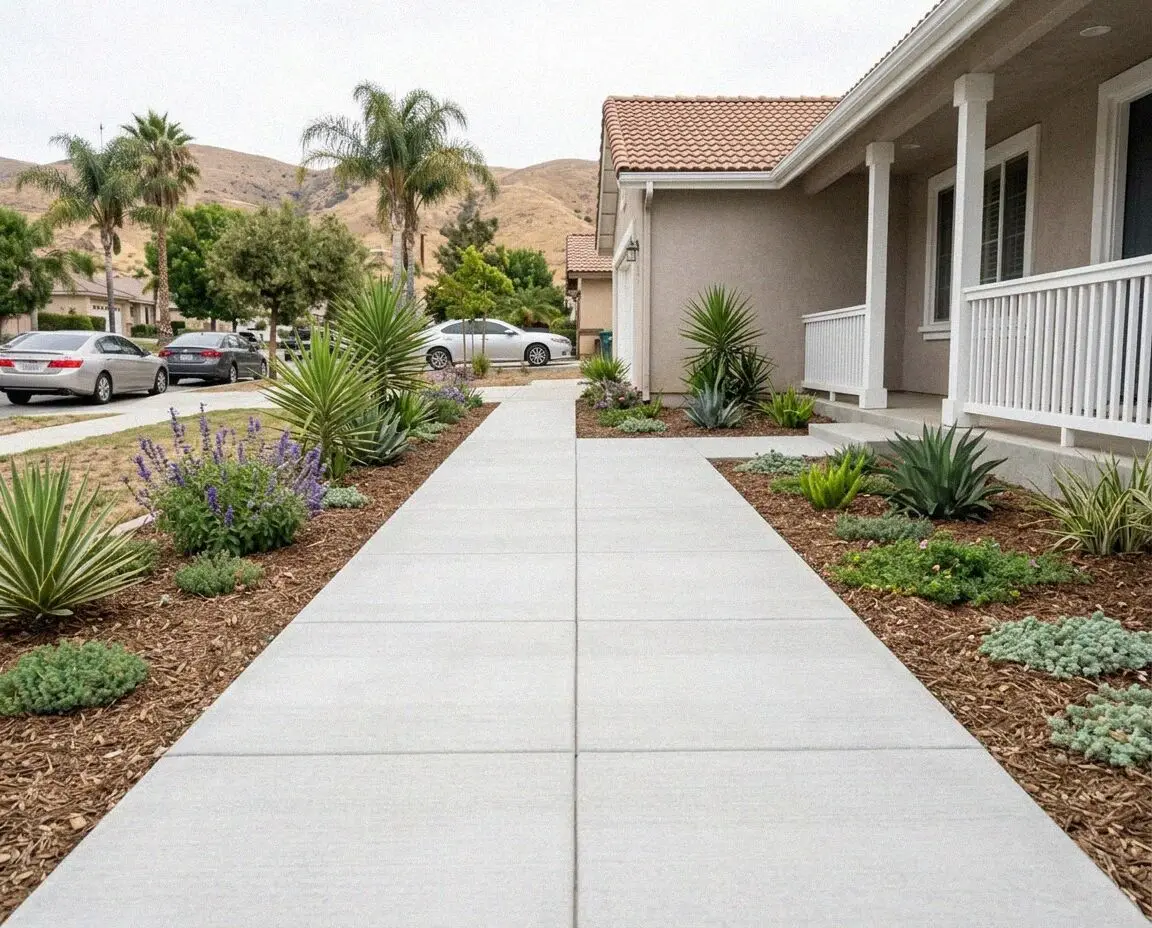
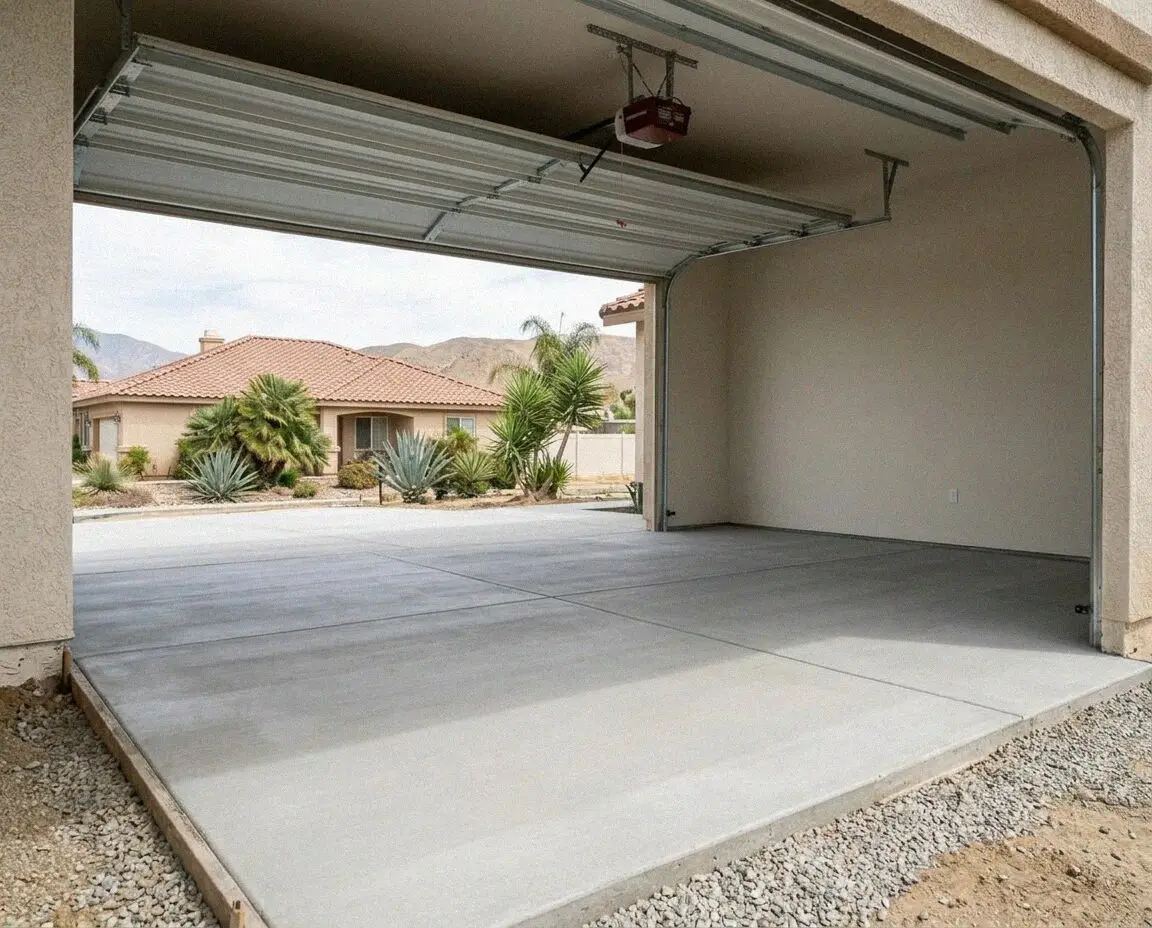
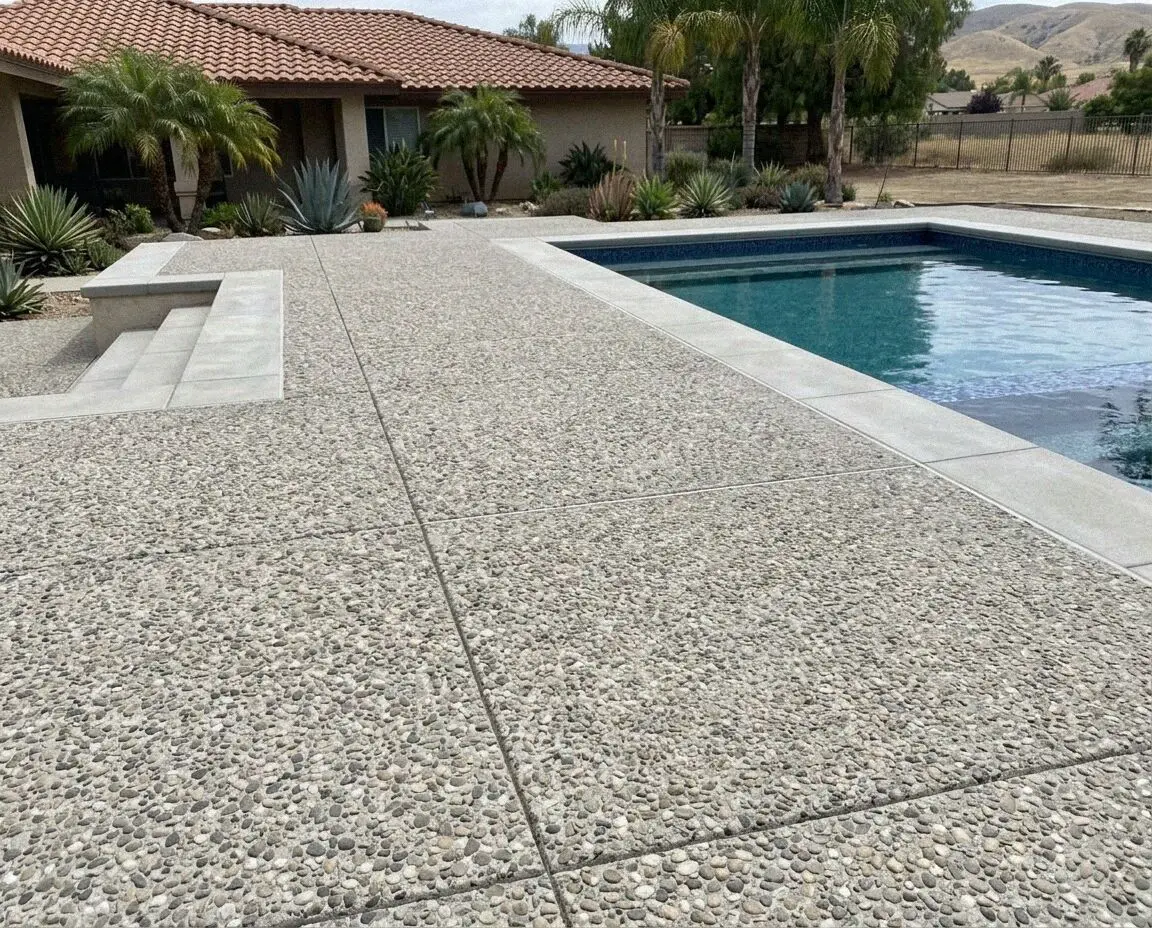
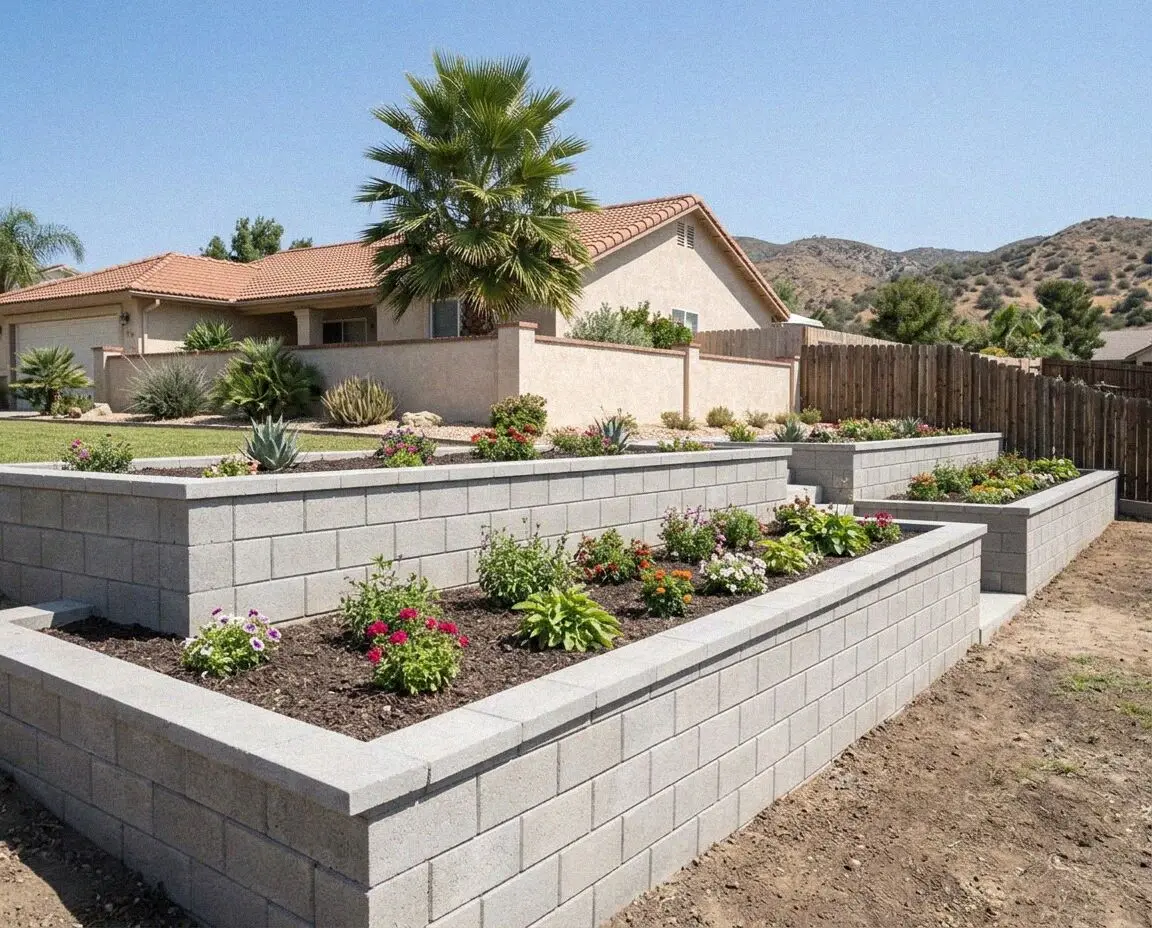
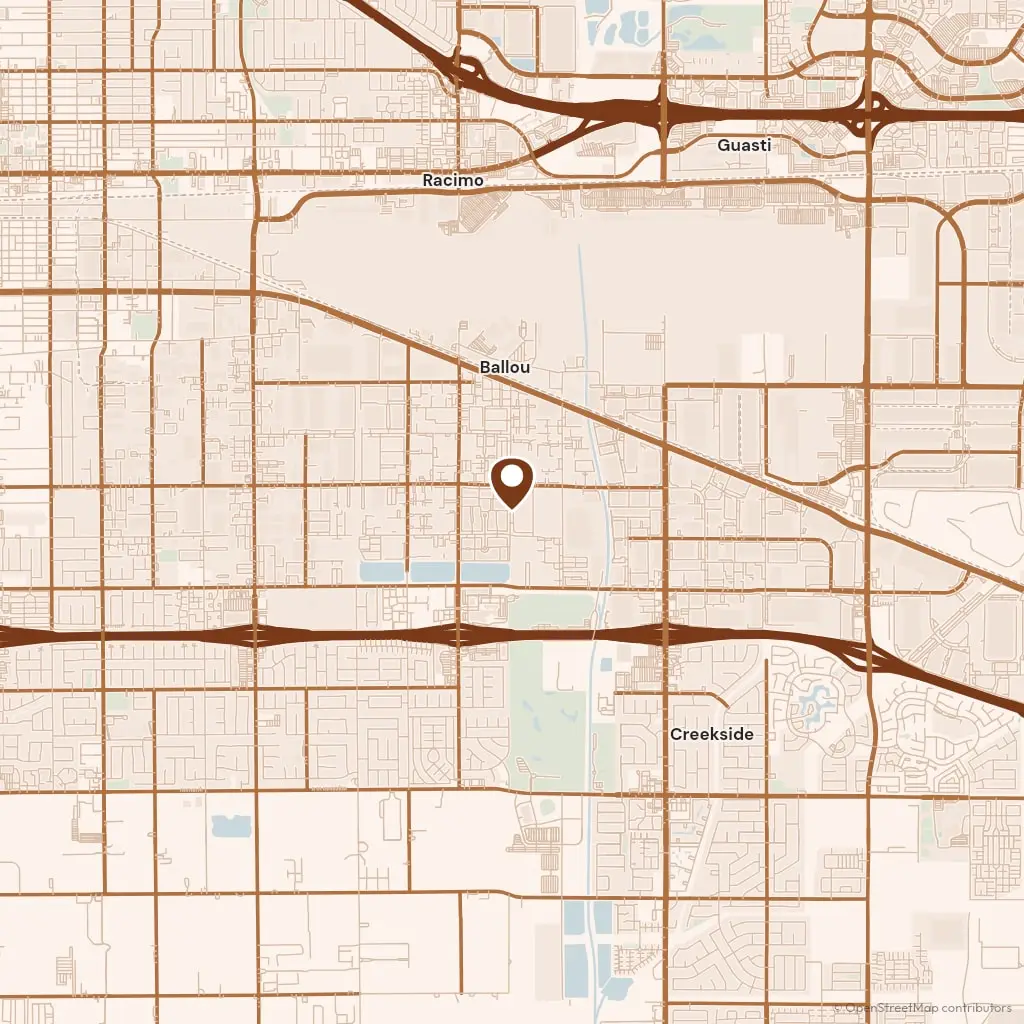
Placentia's concrete is old. The city turned from citrus town to suburb in the 1960s and 1970s, and the driveways those tracts came with have carried cars for 50 years, longer than a plain slab lasts.
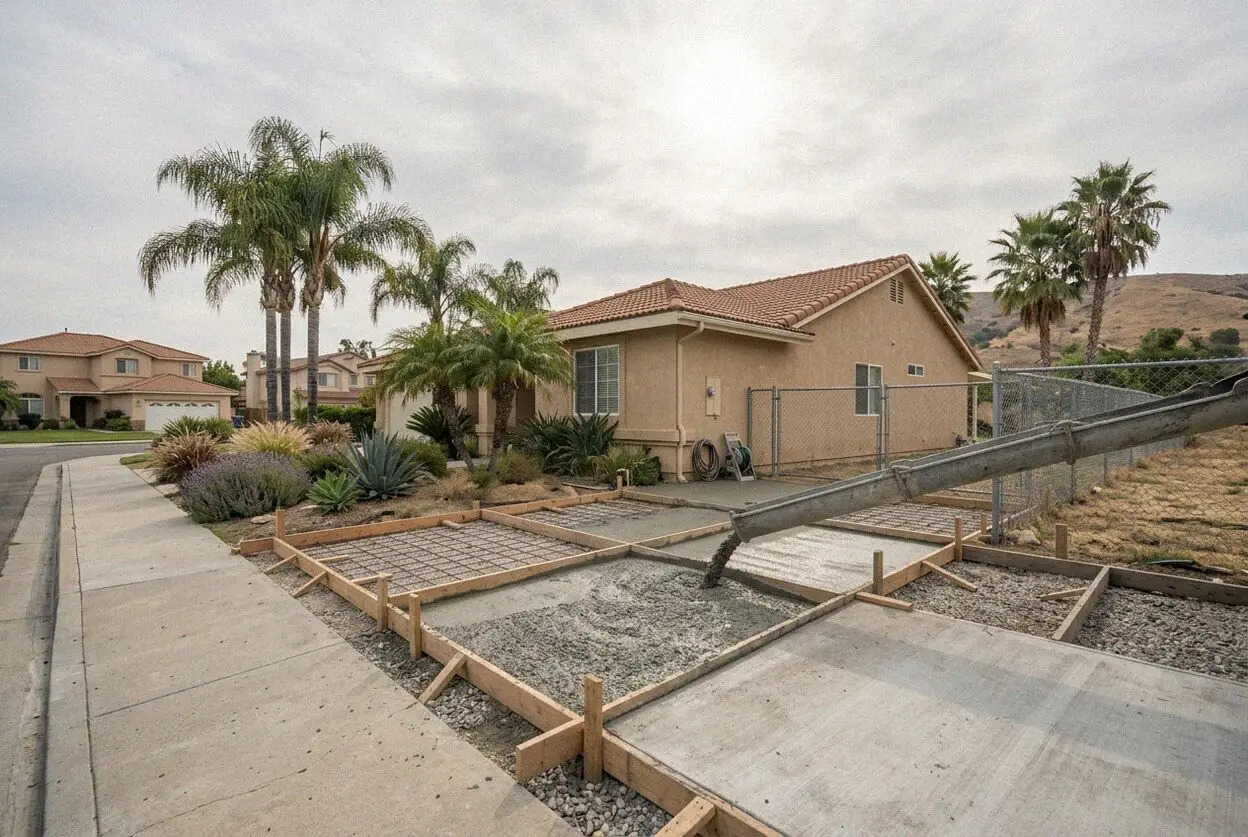
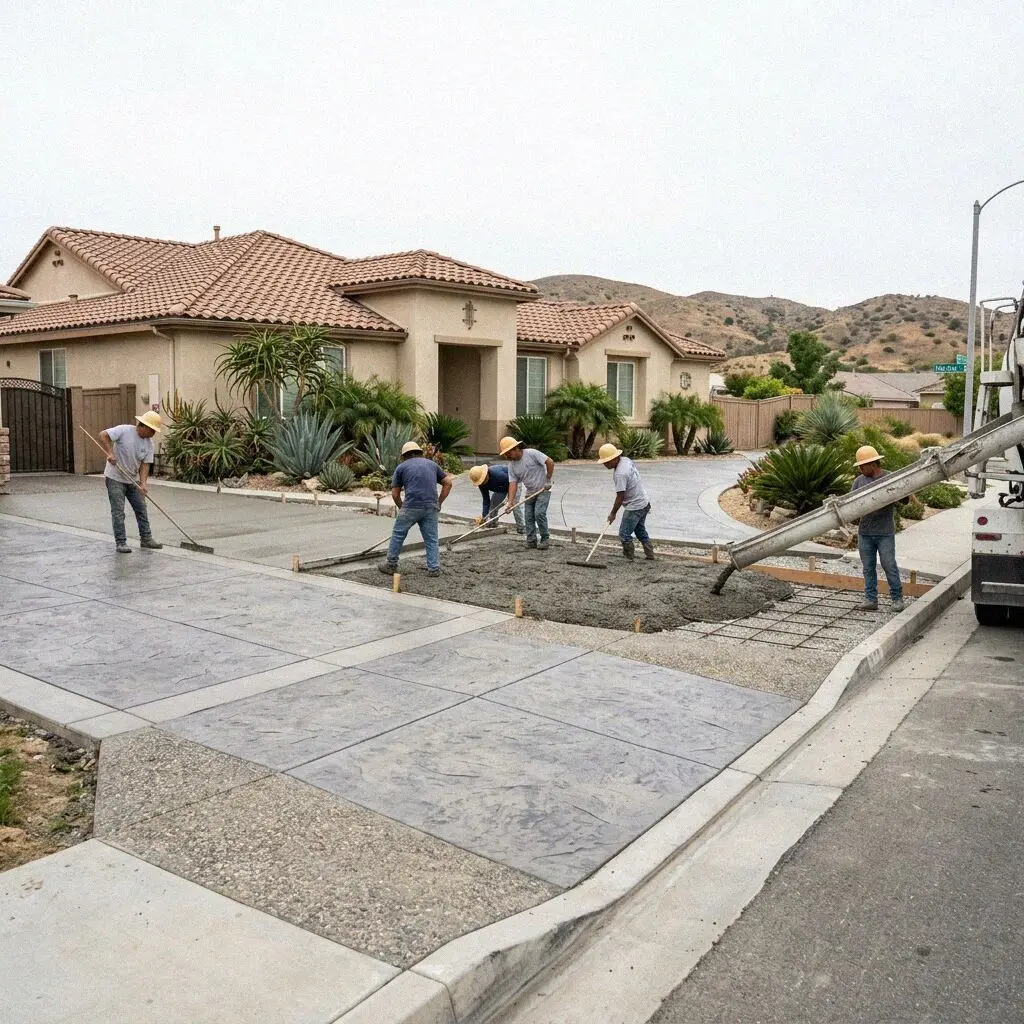
So the ground under a job here has already been built on once. The old slab is broken out, and what we find under it is the grove soil the tract was graded on, a fine loam that held water for orange trees and holds it just as well under a driveway. It heaves a little when wet and shrinks when dry, and that movement is what cracked the first slab. The tracts were also laid out tight, with lots around 6,000 square feet and side yards a wheelbarrow wide, so concrete rarely arrives by chute.
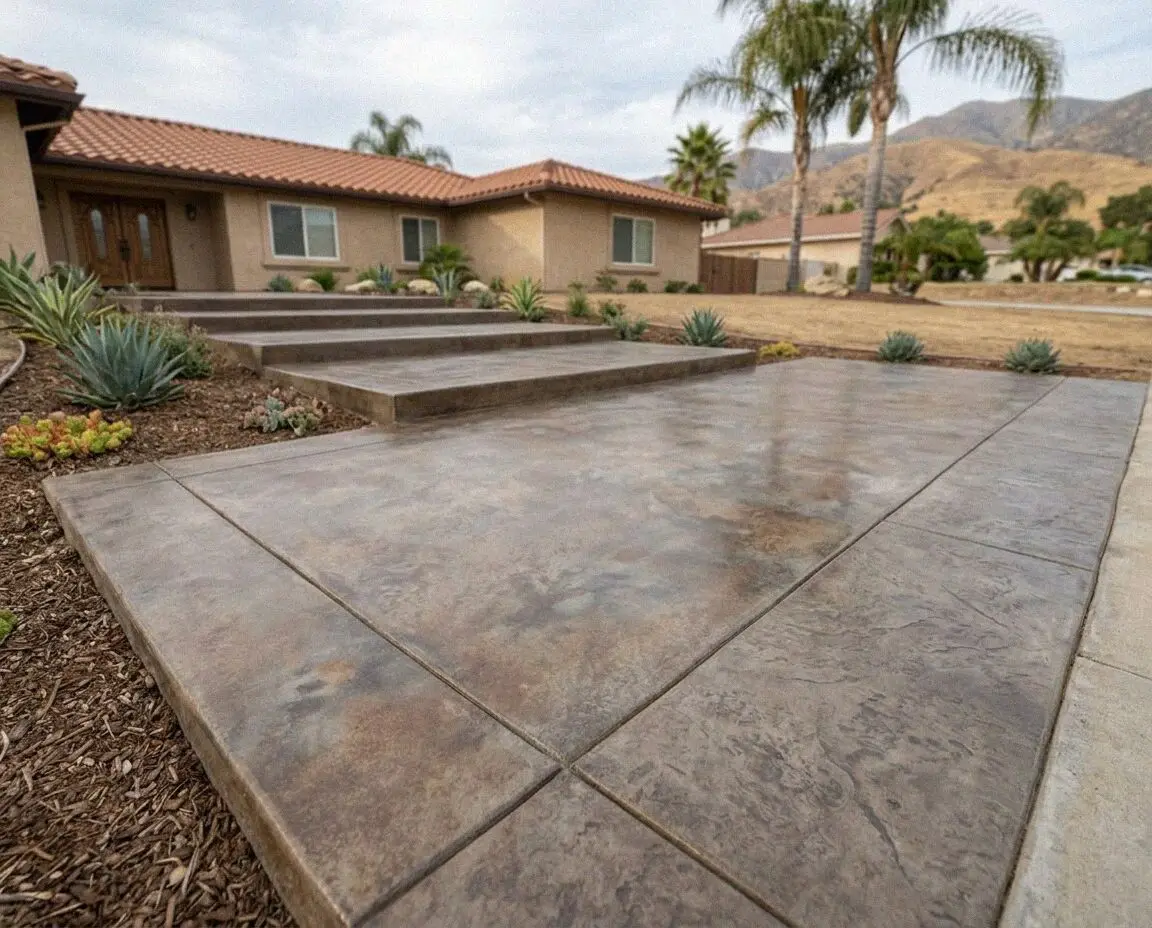
The fix is to build what the tract builder did not. The old slab comes out whole, the loam is cut to firm material and 4 inches of Class 2 base is laid and compacted over it, so the new slab sits on a layer that drains rather than swells. Steel runs through the slab on an 18-inch grid and the joints are cut the same day, so the movement that broke the first driveway is carried instead of resisted. Every estimate is measured and written on site, because the tear-out varies most.